
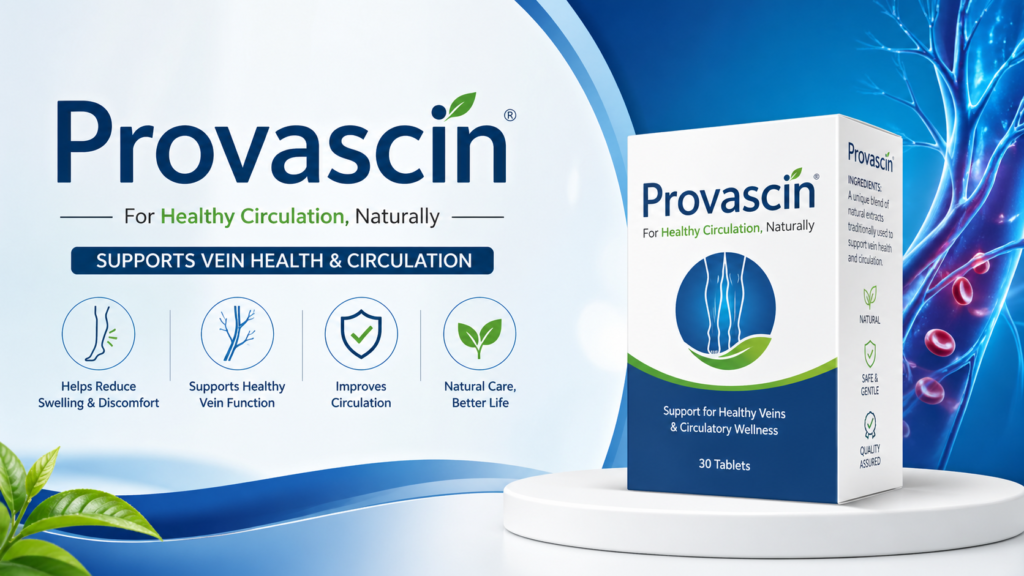

In recent years, Provascin has gained attention as a dietary supplement that promises various health benefits. This article will explore the details of Provascin, discussing its benefits, common uses, and potential side effects. Whether you’re considering adding this supplement to your routine or simply curious about its effectiveness, you’ll find valuable insights here.
What Is Provascin?
Provascin is a dietary supplement designed to support cardiovascular health. It is formulated with a blend of natural ingredients that are claimed to improve circulation, reduce cholesterol levels, and promote overall heart health. Understanding the composition and mechanism of action of Provascin is the first step in evaluating its effectiveness.
The primary active ingredients in Provascin are typically plant-based compounds, antioxidants, and certain minerals that are known to benefit cardiovascular health. The supplement is often marketed as a solution for individuals at risk of heart disease or those looking to improve their circulation and cholesterol levels.
Provascin’s Key Benefits
Provascin is advertised to have numerous health benefits, many of which are related to improving heart health. Below are some of the primary advantages of using Provascin:
Improved Heart Health
The primary benefit associated with Provascin is improved heart health. The ingredients in Provascin are thought to help reduce cholesterol and triglyceride levels, two major risk factors for heart disease. Regular use may help maintain healthy blood pressure levels and promote better circulation.
Support for Blood Circulation
Another key benefit of Provascin is its support for optimal blood circulation. Ingredients like omega-3 fatty acids and antioxidants may improve the flow of blood to vital organs, ensuring that the body’s tissues receive enough oxygen and nutrients. This is especially beneficial for individuals with poor circulation, as it may help alleviate symptoms like cold hands and feet.
Cholesterol Management
High cholesterol levels can significantly increase the risk of heart disease. Provascin’s formulation is designed to reduce harmful LDL cholesterol while increasing beneficial HDL cholesterol. By maintaining a healthy balance between these types of cholesterol, Provascin can help reduce the risk of plaque buildup in arteries and promote heart health.
How Provascin Works: Mechanisms Behind Its Effectiveness
To truly understand how Provascin works, it’s essential to look at its key ingredients and how they contribute to cardiovascular health.
Provascin typically contains antioxidants, which fight oxidative stress in the body. Oxidative stress is a condition where free radicals damage cells, leading to inflammation and various diseases, including heart disease. By neutralizing these free radicals, antioxidants in Provascin can help prevent cellular damage and promote overall well-being.
Another key ingredient found in Provascin is omega-3 fatty acids. These healthy fats are known to reduce inflammation in the body, decrease triglyceride levels, and support the cardiovascular system.
Provascin: Uses in Daily Health Routine
Provascin can be used for various health-related purposes. It is commonly used as a supplement for individuals looking to improve heart health, especially those with a family history of cardiovascular issues. Regular use of Provascin may help reduce the risk of heart disease, stroke, and other related conditions.
Cardiovascular Protection
Provascin is often recommended for people with high cholesterol, high blood pressure, or a family history of heart disease. The ingredients in Provascin can help prevent the formation of plaque in the arteries and lower the risk of atherosclerosis, a condition where the arteries harden and narrow due to plaque buildup.
Prevention of Stroke
By improving blood circulation and reducing cholesterol, Provascin can also help reduce the risk of stroke. Maintaining healthy blood pressure and cholesterol levels ensures that the blood can flow freely to the brain, preventing blockages that might otherwise cause a stroke.
Who Should Take Provascin?
Provascin is generally safe for most people when taken as directed. However, it is especially beneficial for individuals at risk of heart disease or those experiencing early signs of cardiovascular issues. It may be suitable for people who:
- Have a family history of heart disease.
- Are looking to lower their cholesterol levels.
- Need support for circulation and heart function.
- Are experiencing symptoms like cold extremities or fatigue due to poor circulation.
Before starting any new supplement, it is essential to consult with a healthcare professional, particularly if you have pre-existing medical conditions or are currently taking medication.
Provascin Side Effects and Precautions
While Provascin offers numerous health benefits, it is important to be aware of potential side effects. Like any supplement, it may cause adverse reactions in some individuals. Below are some common side effects and precautions to consider:
Common Side Effects
- Gastrointestinal Issues: Some people may experience mild digestive discomfort, such as bloating, nausea, or stomach cramps.
- Allergic Reactions: Though rare, some individuals may have an allergic reaction to certain ingredients in Provascin. Symptoms can include skin rashes, itching, or swelling.
- Blood Thinning: Certain ingredients in Provascin, such as omega-3 fatty acids, may have a blood-thinning effect. This is generally not a concern for most people but can be problematic for individuals already on blood-thinning medications.
Precautions
- Pregnancy and Breastfeeding: If you are pregnant or breastfeeding, it’s crucial to speak with a healthcare provider before using Provascin to ensure its safety for both you and your baby.
- Pre-existing Conditions: Individuals with conditions like low blood pressure or bleeding disorders should use Provascin with caution, as the supplement may interact with medications or exacerbate certain health conditions.
Provascin Dosage: How Much Should You Take?
The recommended dosage of Provascin will vary depending on the specific formulation and the individual’s health needs. It is always best to follow the manufacturer’s instructions or consult with a healthcare provider for personalized advice.
In general, Provascin is taken once or twice daily with meals. The typical dose is usually between 1 to 2 capsules per day, but some individuals may require higher doses based on their specific health goals or conditions.
Provascin vs. Other Supplements for Heart Health
Provascin is not the only supplement available for cardiovascular health. There are many other products on the market that claim similar benefits, such as fish oil, CoQ10, and garlic supplements. Here’s how Provascin compares to these alternatives:
- Fish Oil: Fish oil is rich in omega-3 fatty acids, which are also present in Provascin. However, Provascin may offer a more comprehensive approach with additional antioxidants and minerals that specifically target heart health.
- CoQ10: Coenzyme Q10 (CoQ10) is another popular supplement for heart health. While CoQ10 is beneficial for energy production in cells, Provascin includes a broader range of ingredients to address multiple aspects of cardiovascular health.
- Garlic: Garlic has long been known for its cardiovascular benefits. It can help reduce cholesterol and blood pressure, but Provascin offers a more targeted and scientifically formulated approach to heart health.
Final Thoughts on Provascin
Provascin is a promising supplement for those looking to improve their cardiovascular health. With its blend of natural ingredients, it offers potential benefits like improved circulation, reduced cholesterol, and better heart health. However, like any supplement, it is essential to consult with a healthcare provider before incorporating Provascin into your daily routine, especially if you have any pre-existing medical conditions.
While the supplement is generally safe for most people, understanding the potential side effects and precautions will ensure that you make an informed decision. Overall, Provascin is a viable option for individuals who want to take a proactive approach to their heart health.
FAQs about Provascin
- What is Provascin used for? Provascin is primarily used to improve heart health, manage cholesterol levels, and support better circulation.
- Can Provascin be taken with other medications? It’s important to consult with a healthcare provider before combining Provascin with other medications, especially blood thinners.
- Are there any side effects of Provascin? Some people may experience mild gastrointestinal discomfort or allergic reactions. Always check the ingredients list to ensure you are not allergic to any components.
- How long does it take to see results from Provascin? Results may vary, but many users report feeling benefits within 4 to 6 weeks of consistent use.